
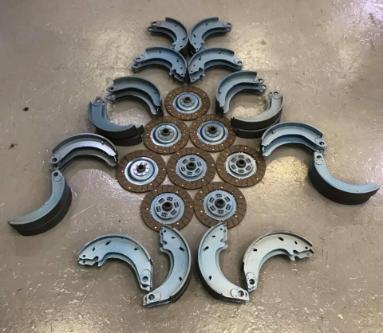
Clutch systems play an important role in transferring power efficiently between an engine and transmission. Over time, friction materials can wear down, affecting clutch performance and reliability. Clutch relining is a practical solution that involves replacing the worn friction lining rather than replacing the entire clutch component.
What Is Clutch Relining?
Clutch relining is the process of removing worn friction material from a clutch plate or related component and replacing it with new lining material.
The process is commonly considered when the underlying clutch component remains suitable for further use. Proper relining restores the friction surface and helps the component perform effectively again.
Why Does Clutch Lining Wear Out?
Clutch lining is exposed to friction and heat during normal operation. Continuous engagement and disengagement gradually affect the friction material.
Common factors that contribute to wear include:
- Frequent clutch engagement
- Heavy-duty vehicle operation
- Excessive heat
- High operating loads
- Incorrect clutch adjustment
- Prolonged use
Regular inspection can help identify worn components before they affect wider parts of the clutch system.
Signs That a Clutch May Need Relining
A worn clutch lining can affect vehicle or machinery performance. Potential signs include:
Slipping
If the clutch struggles to transfer power effectively, the engine may increase in speed without a corresponding increase in vehicle movement.
Difficulty Engaging
Problems engaging gears can indicate an issue with the clutch system and should be professionally assessed.
Unusual Noise or Vibration
Unusual sounds or vibration during clutch operation can indicate wear or other mechanical problems.
Reduced Performance
A worn friction surface can affect the smooth transfer of power, particularly under demanding operating conditions.
The Clutch Relining Process
Professional clutch relining generally involves several stages.
Inspection
The clutch component is examined to determine its condition and whether it is suitable for relining.
Removal of Old Lining
The existing worn friction material is carefully removed from the clutch plate.
Surface Preparation
The component is prepared to ensure the new lining can be securely fitted.
New Lining Installation
Suitable friction material is fitted using appropriate methods and equipment.
Quality Inspection
The relined component is checked to ensure it meets the required specifications before being returned to service.
Benefits of Professional Clutch Relining
Choosing professional relining can provide several practical benefits when the original component is suitable for refurbishment.
Cost efficiency: Relining can avoid replacing an otherwise serviceable clutch component.
Extended component life: Replacing worn friction material can allow suitable components to return to service.
Reduced waste: Refurbishing components can reduce the amount of material sent for disposal.
Reliable performance: Correctly selected and installed friction lining supports effective clutch operation.
Choosing the Right Clutch Lining Material
Different applications can require different friction materials. The correct choice depends on factors such as operating conditions, load, temperature, speed, and the type of machinery or vehicle. For this reason, clutch relining should be carried out by specialists who can assess the application and recommend a suitable lining material.
When Should You Consider Clutch Relining?
Clutch relining can be worth considering when the friction material has reached the end of its useful service life, but the clutch plate or component itself remains structurally suitable. A professional inspection should determine whether relining is appropriate or whether complete component replacement is required.
Conclusion
Clutch relining provides a practical way to restore worn friction surfaces while retaining suitable clutch components. From commercial vehicles to industrial machinery, the right relining process can support reliable power transmission and extend component service life.