
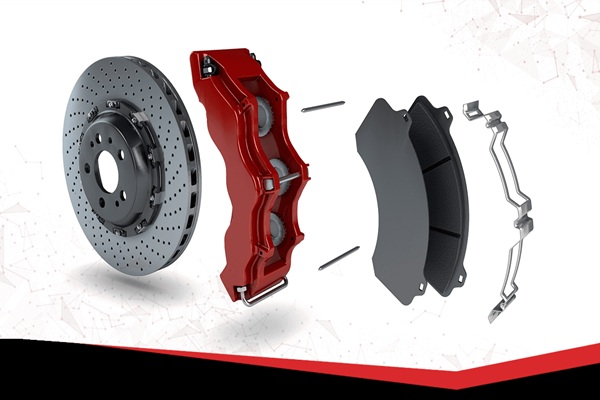
Disc brakes are an important safety component present in a vehicle. Whether it’s a passenger car or a commercial fleet, proper braking systems are a must. A well-designed braking system should operate flawlessly even under intense pressure and extreme temperature swings.
Renowned professionals in disc brake manufacturing use precision engineering techniques and the right materials and compounds to produce disc brakes.
Why is high-grade cast iron used?
Brake discs are made of high-carbon cast iron and are subjected to constant friction and high rotational speeds. Cast iron is used because it offers excellent thermal conductivity, reducing the risk of heat generation and allowing heat to dissipate quickly. With effective heat management, the brake pads can be used safely, and braking power does not decrease due to overheating.
What is the role of carbon and alloy in disc brakes?
For advanced disc production, alloys such as carbon, chromium, and molybdenum are used. These alloys improve the hardness, durability, resistance to thermal pressure, and tensile strength of the brakes. For good performance and heavy-duty applications, the brakes perform flawlessly with these materials.
Corrosion protection and integrity
Modern brake discs are coated to help prevent corrosion. When the quality of these materials is high, they respond better to treatments. This ensures uniform coverage of the brake disc and also improves service life. This is important if the brake disc is operating under heavy loads or on salted roads. These circumstances. The chances of corrosion generally increase, reducing the disc’s lifespan.
Balancing and structural stability
If the disc is made of high-grade material, it maintains dimensional stability throughout the process. Balancing and structural stability help keep the discs balanced and reduce vibration. Disc vibrations cause discomfort for the driver. Precision and balance also help prevent premature wear and tear on the machines’ suspension and steering components.
Cost of compromise
Lower-grade materials might reduce initial costs; however, expenses will soar later. They often reduce customer satisfaction and lead to safety issues. Moreover, investing in low-grade materials poses critical hazards and reduces performance. For both fleet operators and individual drivers, reliability is important. When the discs are made of good-quality material, they ensure reliability and uncompromised safety.
Investing in high-quality materials reduces long-term liability. Moreover, good-quality discs help enhance the brand’s reputation. It also delivers a dependable performance to the users. Thus, in disc brakes, the quality of the materials is not critical; it is one of the most important factors. Quality is crucial to making the disc heat-resistant and durable. It also helps in ensuring corrosion protection. High-quality materials ensure consistent performance and an extended lifespan, with no risk to users. Thus, manufacturers are committed to using superior materials that form a strong foundation for the discs.
At Jim Jack Services Ltd, we offer brake relining services for all types of brakes on cars and cranes, as well as various industrial machinery. We create brakes according to your needs. Discuss your needs with us, and we will arrange for the supplies accordingly.