
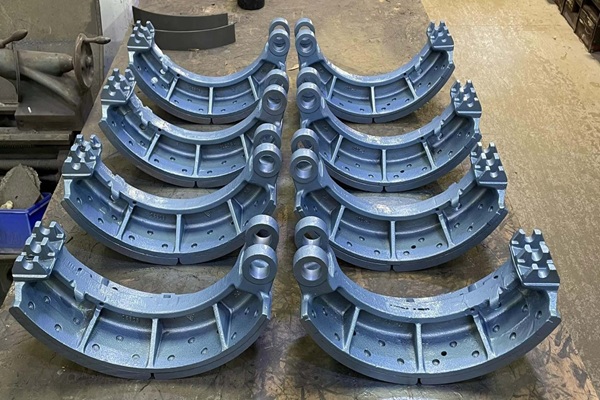
Forklifts are the backbone of busy warehouses and factories. Until the forklift brakes operate smoothly, warehouse productivity remains high. However, when something goes wrong with the brakes, the impact can be expensive. Hence, regular brake inspections aren’t just a safety requirement; they are a smart decision for every warehouse and factory. Regular inspection helps to save time and money.
Forklift brakes – a component making a big impact
The primary function of Forklift Brakes is to stop heavy loads and control the movement of the machines, especially in tight corners. These brakes also protect the operators from accidents. Over time, these pads may wear out, causing the hydraulic systems to lose pressure. When this happens, the minor issues can turn into major failures. To prevent these failures, regular inspections are necessary. Minor issues escalate into major breakdowns or fatal accidents. You can prevent them by inspecting, identifying the problem, and mitigating them at the earliest opportunity.
Why is forklift brake inspection a necessity?
Reduce downtime
When a forklift breaks or gets damaged, it is taken out of the machine. This disrupts the machine and reduces productivity. The schedule falls behind, and jobs get delayed. With regular brake inspections, businesses can maintain their production schedule. They can avoid expensive, sudden brake failures. They can also avoid sudden stoppages of the Machine during peak operating periods. Less downtime means smoother workflow and more valuable operational hours in a factory.
Prevent expensive breakdowns
Routine inspection helps to avoid unexpected repairs. A damaged brake or a minor hydraulic leak is generally inexpensive and can be quickly fixed. However, if left unaddressed, it can cause further damage. Expensive damage, such as the complete replacement of brake drums or discs, will occur if minor repairs are not addressed promptly.
Emergency repairs are always more expensive than planned maintenance. Regular inspections will help factories address issues in a timely manner.
Extends lifespan
Regular inspection ensures well-maintained brakes that protect operators and the forklift. When the brakes are in working condition, it will put less strain on the forklift’s axles and other components. On the other hand, working with a damaged brake will put pressure on the forklift and gradually damage its axles.
Regular inspections ensure that the braking system works as designed. This helps forklifts last longer.
Improves safety and lowers risks
Brake failures are one of the most serious forklift safety risks. Poor brakes increase stopping distance and increases chances of collisions. This also poses a threat to the pedestrians. Routine inspections help to identify brake wear. It also helps to identify the brake efficiency. Reliably maintaining brakes can reduce workplace accidents. This is also a legal requirement for the warehouses. Failed inspections must be highlighted, and the brakes should be repaired immediately.
Regular forklift brake inspections are not an expense; they are an investment in the factory and the warehouse. Reliable brakes mean fewer disruptions and smooth performance in the factories.
Get in touch with Jim Jack Services Ltd. We offer brake relining services for all kinds of brakes. Contact us for more details.